Source Sustainable Coffee Pod Storage Holder for Kitchen, Office, Cafe
Compare 30 sustainable coffee pod storage holder options from verified Chinese manufacturers. Buyers can evaluate metal and ABS models with varying tier counts, dimensions, and customization features for home kitchen, office, or cafe use; compare the available evidence and request quotations based on your requirements.
Key considerations
Products List
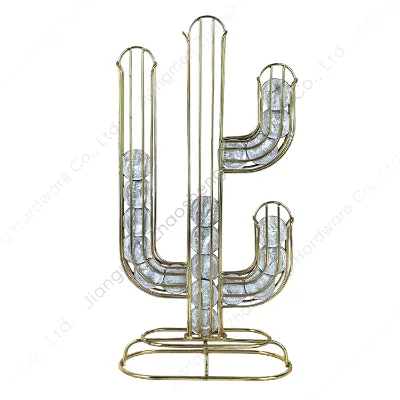


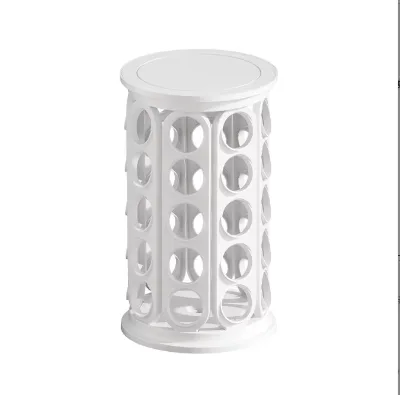
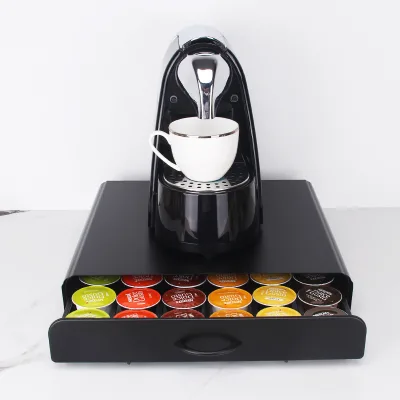
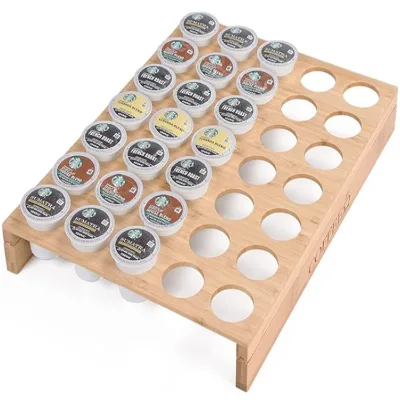


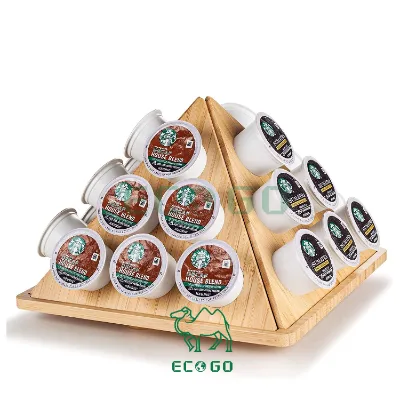
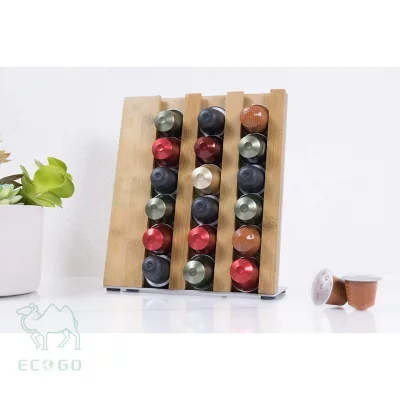

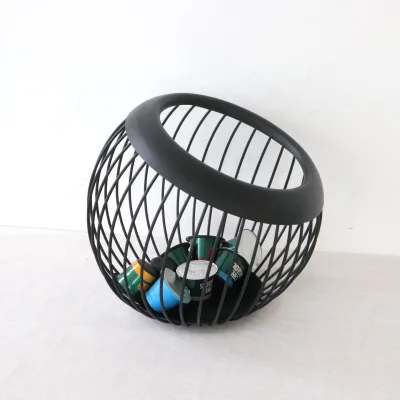
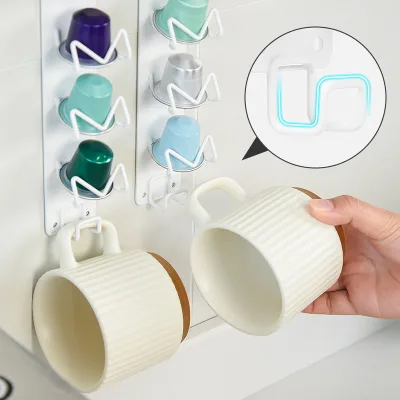


Comprehensive Sourcing Guide
Sustainable Coffee Pod Storage Holder Sourcing Guide
Procuring a sustainable coffee pod storage holder requires balancing material integrity with functional design for modern kitchens. The observed market features metal and ABS constructions, with specific models like the STR-1043-HY offering four-tier configurations for high-volume storage. Buyers must prioritize units labeled as eco-friendly or sustainable, ensuring the material choice aligns with environmental goals while maintaining the structural rigidity needed for daily tableware use.
Commercial listings indicate a diverse range of customization options, including logo printing and color selection, which allows for brand differentiation. However, the supply chain presents variability in origin locations, spanning Guangdong, Zhejiang, and Jiangsu provinces in China. Sourcing teams should verify that the specific batch selected matches the intended application space, whether for home kitchens or commercial appliances, to ensure the storage solution integrates seamlessly with existing layouts.
Product Scope and Observed Listing Signals
The product scope encompasses non-folding racks designed specifically for coffee capsules, with observed listings highlighting multifunctional designs that serve as both storage and display units. Buyers will encounter variations in tier counts, ranging from single-tier models to four-layer structures, each catering to different storage densities. The primary material observed is metal, though ABS plastic options exist, necessitating a clear distinction in the procurement specification to avoid confusion between durable metal racks and lighter plastic alternatives.
Listing signals reveal significant diversity in packaging and unit configurations, with some suppliers offering single items in poly bags while others provide sets in color boxes. The observed price range of 0.9 to 13 USD suggests a wide spectrum of quality and feature sets, requiring careful evaluation of the included accessories. Procurement teams must scrutinize the "Stocked" versus "Customized" status of items, as this directly impacts lead times and the ability to meet immediate inventory needs without waiting for production runs.
Technical Specifications to Verify
Dimensional accuracy is a critical verification point, with observed tolerances ranging from strict limits of ±5mm to broader allowances of ±1cm depending on the model. Buyers must confirm the exact dimensions of the unit, such as the 140x140x330mm specification for the STR-1043-HY, to ensure it fits the designated counter or cabinet space. Weight tolerances are similarly variable, with some products specifying a ±5% margin, which affects shipping calculations and the structural stability of the rack when fully loaded with capsules.
Model numbers and material composition serve as primary identifiers for technical compliance, with specific codes like CS-CR303 and GS-CR804 indicating distinct manufacturing lines. The functional design often includes metal storage drawers or open shelving, and the installation type is predominantly standing, requiring a stable footprint. Verification of the gross weight per batch, such as the 11.0 kg observed for certain batches, is essential for logistics planning and ensuring the product can support the intended load without deformation.
Compliance and Safety Documentation
While specific certification documents are not explicitly listed in the provided data, the classification of these items as eco-friendly and sustainable implies adherence to environmental standards regarding material sourcing and production. Buyers should request documentation confirming that the metal or ABS materials used are free from harmful substances, particularly since these products are intended for kitchen environments where food safety is paramount. The availability of OEM/ODM services suggests that suppliers can tailor compliance documentation to meet specific regional regulatory requirements.
Safety verification extends to the structural integrity of the standing type racks, ensuring they do not tip over under the weight of multiple coffee pods. The observed weight tolerance of ±5% indicates that manufacturers account for minor variations, but buyers must ensure the final product meets the safety expectations for home appliance usage. It is advisable to request test results or material safety data sheets to validate that the finished goods comply with general safety standards for household storage solutions.
Cost Drivers and Commercial Terms
Cost drivers in this category are heavily influenced by material selection, with metal constructions generally commanding higher prices than ABS alternatives due to durability and perceived value. The observed MOQ range of 6 to 1000 units creates a flexible entry point for buyers, allowing small retailers to test the market with low-volume orders while larger distributors can leverage bulk pricing. Customization features, such as logo printing and specific color choices, introduce additional variable costs that must be factored into the total landed cost calculation.
Commercial terms vary significantly regarding packaging and shipping units, with options ranging from single poly bags to bulk cartons containing six sets. The observed selling units and packing details, such as OPP bags or white boxes, impact the final retail presentation and unboxing experience. Buyers should negotiate based on the specific packing configuration required, as the transition from simple poly bags to color boxes can significantly alter the unit economics and the perceived value of the sustainable storage holder.
Supplier Qualification and Quality Control
Supplier qualification should focus on verifying the place of origin, as the supply chain spans multiple provinces including Guangdong, Zhejiang, and Jiangsu, each with distinct manufacturing capabilities. Buyers must assess the supplier's ability to maintain consistent quality across different model numbers, ensuring that the dimensional tolerance and weight specifications remain within the agreed-upon limits. The presence of customization capabilities, such as logo printing and color choices, indicates a mature production line capable of handling complex orders without compromising quality.
Quality control protocols must address the variability in observed attributes, such as the difference between single-tier and four-layer designs. Regular inspections should verify that the metal or ABS materials meet the specified durability standards and that the standing type installation remains stable. Given the observed weight and dimensional tolerances, implementing a pre-shipment inspection is crucial to ensure that the final product matches the technical specifications and performs reliably in a kitchen environment.
Long-Term Procurement Checks
Long-term procurement success depends on establishing a reliable supply chain that can consistently deliver sustainable coffee pod storage holders with the required customization and quality. Buyers should monitor the supplier's ability to maintain the observed material standards and dimensional tolerances over multiple production cycles. The availability of stock versus custom orders should be managed strategically to balance inventory costs with the flexibility to respond to market demand fluctuations.
Continuous evaluation of the product's performance in the target application space is essential for maintaining customer satisfaction. Buyers must track feedback regarding the durability of the metal or ABS materials and the functionality of the multifunctional design in real-world kitchen settings. Establishing a clear communication channel for addressing any deviations in weight, size, or finish ensures that the long-term partnership remains robust and that the sustainable storage solutions continue to meet the evolving needs of the market.
FAQs
What materials are used for sustainable coffee pod storage holders?
These holders are typically constructed from metal or ABS plastic to ensure durability and eco-friendly usage. Metal options provide robust structural integrity for kitchen environments, while ABS variants offer lightweight resilience. Both material choices support the functional design requirements for organizing coffee capsules effectively in home settings.
Can I customize the logo on these coffee capsule holders?
Yes, customized logos are available for these storage racks to support branding needs. Manufacturers often accept OEM and ODM requests to tailor the product appearance. This customization allows businesses to add their specific branding elements to the metal or plastic holders, enhancing brand visibility in retail or promotional contexts.
What is the typical MOQ for ordering these storage racks?
The minimum order quantity varies significantly depending on the specific supplier and product model. Some vendors require a high MOQ of 600 pieces for bulk production runs, while others offer a low MOQ of just 6 pieces for smaller orders. Buyers should verify the specific MOQ requirements with their chosen supplier before placing an order.
How are these coffee pod holders packaged for shipping?
Packaging methods include individual poly bags, color boxes, white boxes, or OPP bags combined with cartons. For instance, some items are packed as one piece per poly bag or set per color box, with multiple sets per master carton. This ensures safe transit and allows for flexible retail or wholesale distribution strategies.
What dimensions are available for these kitchen storage racks?
Available sizes include compact models measuring approximately 39x26x6.4 cm and larger units around 140x140x330 mm. These dimensions accommodate various kitchen spaces and coffee capsule types. The dimensional tolerance is generally kept within plus or minus five millimeters to ensure precise fit and aesthetic alignment in modern kitchen environments.